


If your feed is anything like mine, it’s likely filled with theories on why the film Obsession broke through. Outside of Christmas, it’s the first film since E.T. that has gone up in the box office over its second and third weekends. Everyone wants to crack the code on why.
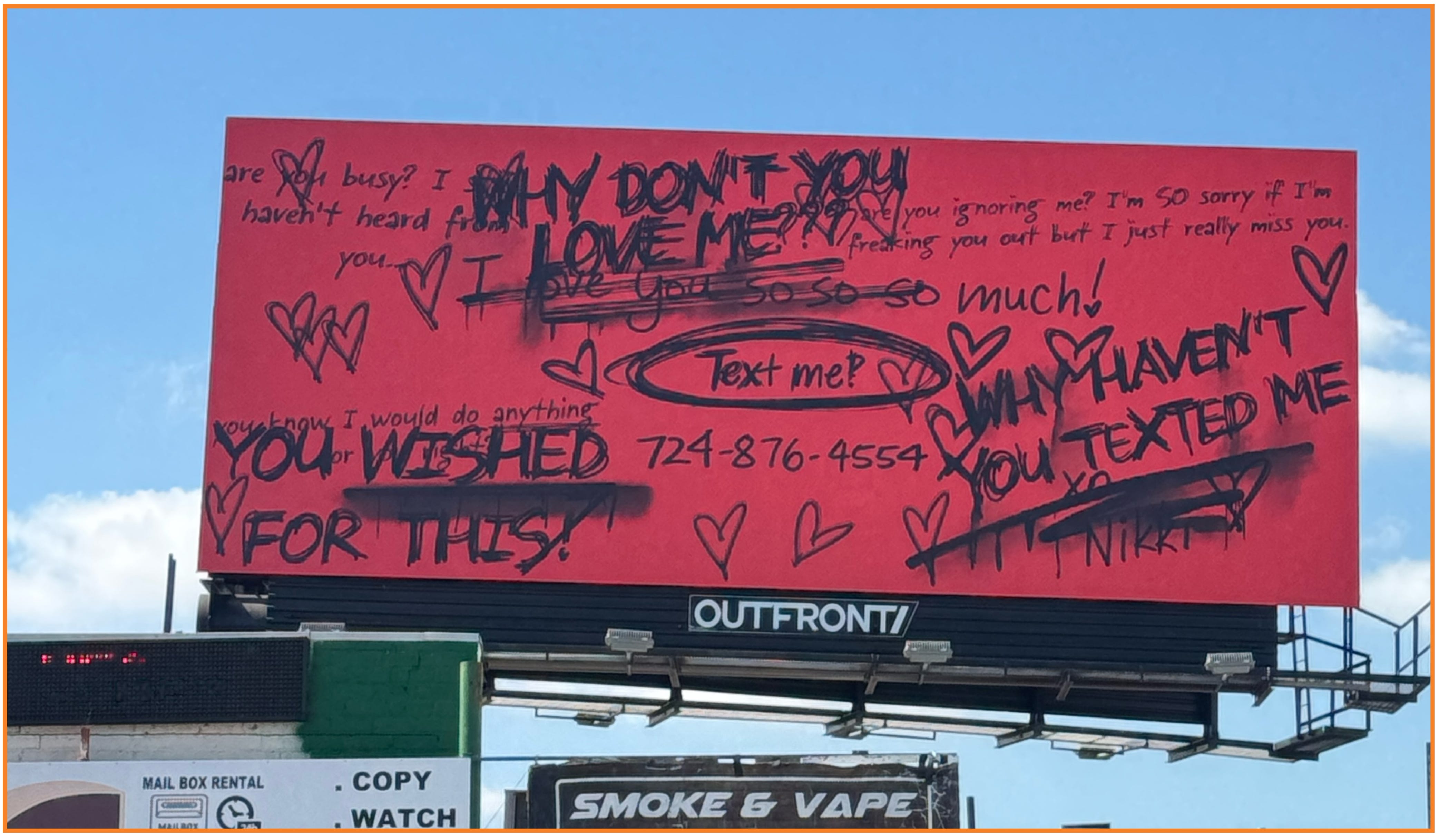
In a recent essay, I wrote about how participation is the biggest sign that something is breaking through. I know there’s momentum when content is being made in comment sections and on personal accounts. Content about the content. Obsession (and the marketing behind it) understood this well. Billboards that made you want to snap a photo. Products that made you want to share a review online. A theater experience that made you want to post a “before” and “after”. And, of course, success that made people want to theorize the mechanics behind it. That’s good marketing too.
Instead of contributing to the influx of assumptions, I figured I’d go straight to the source. I reached out to Focus Features to learn more about the marketing strategy for Obsession and what the collaboration with filmmaker Curry Barker looked like.
Below Jason Cassidy, vice chairman of Focus Features, talks about the role FOMO plays in movie marketing, how to get people in theaters, and why it’s important to let fans take ownership.
Rachel Karten: First, congratulations on the success of Obsession. I am curious to hear about the first time you watched the movie. What was your reaction? What marketing opportunities did you immediately see?
Jason Cassidy: Thank you! It’s been an incredible ride, and we’re thrilled for Curry and the entire team. Like everyone around the world, the first time we saw the film, we were literally obsessed.
From a marketing perspective, the film was our greatest asset and had a great relatable hook with a fresh take on the idea of “be careful what you wish for.”
When we sat down with Curry to talk about the campaign we talked about everything from teasers to popcorn tins and, perhaps most importantly, bringing the now-infamous One Wish Willow to life as a real product that fans could actually own.
RK: You created a lot of intrigue early on by selling the One Wish Willow and putting up an interactive billboard. It was really smart. Marketing a horror movie can be difficult because you don’t want to give away too much. How did you approach building excitement leading up to the release?
JC: One of the things that made Obsession such a gift from a marketing perspective was how much in-world material with which we had to work with. From day one, the goal was to make audiences feel like they were stepping into Curry Barker’s nightmare vision before they ever bought a ticket.
That’s where ideas like the billboards, the text line, and the One Wish Willow really came alive. Nikki is such a compelling character that we knew people would want to engage with her. The text line, in particular, allowed us to extend the experience beyond the screen and create an ongoing relationship between Nikki and the audience. She could remind them to buy tickets, follow her on Letterboxd, listen to her Spotify playlists, and, of course, tell them how much she missed or loved them. It transformed marketing from a message into an experience.


RK: Curry Barker and his YouTube channel that’s a bad idea both have large, dedicated social media followings with strong instincts on how to promote their own work. How did you involve them in the marketing strategy?
JC: Curry was a true collaborator from the very beginning, and his fans were top of mind throughout the campaign, as were the Blumhouse, Focus Insiders, and That’s a Bad Idea fans.
We talked from the onset about giving out bite sized nuggets of material that didn’t give much away and made the audience lean in. At our inaugural FocusFest we hosted a midnight special screening of Obsession that Curry introduced and his fans turned out in droves for. We also quickly put a teaser trailer on Blumhouse’s Five Nights at Freddy’s 2 to tap into that existing audience.
The key was making sure every touchpoint felt authentic. Audiences are too smart and know when they are being marketed to.
RK: I loved this video in the lead up. It reminded me of the Paranormal Activity ads, which really sold the theater experience. I’ve been thinking a lot about how movie marketing might need to look different than movie theater marketing. Marketing that makes you actually want to see something on a big screen, surrounded by other people. How do you think about using marketing to actually drive theater attendance?
JC: Eventize, eventize, eventize. In today’s world, we’re competing with everyone’s phones and couches, so it’s essential to deliver a theatrical experience they feel like they absolutely can’t miss.
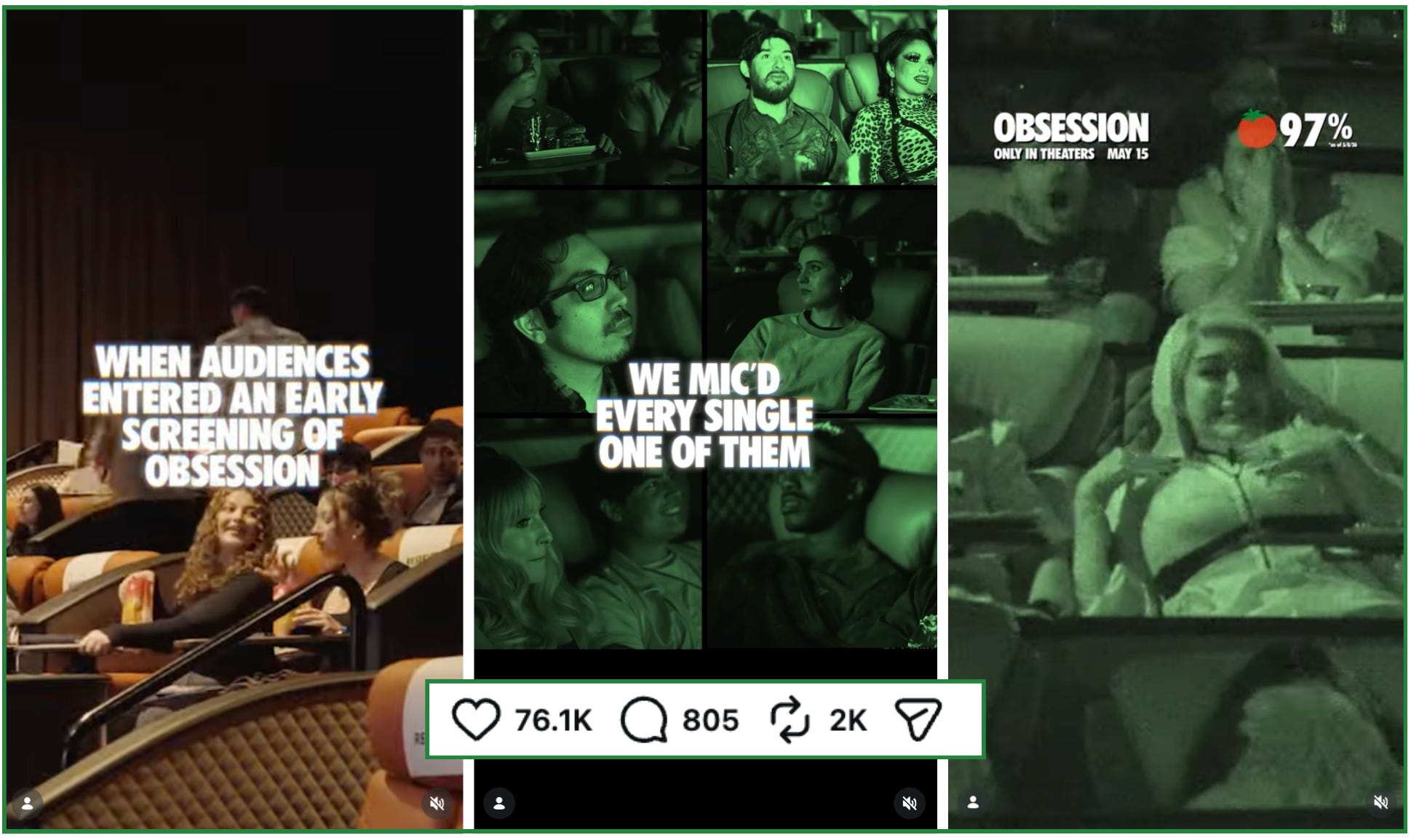
RK: Opening weekend was all over my feed. Videos showing someone throwing up in the theater (good marketing for a horror movie!) and amazing Twitter reviews. It’s the type of word-of-mouth marketing you can’t manufacture. Were you surprised by that momentum? How did you build on it?
JC: As blown away as we were when we first saw the film, we were thrilled to see audiences respond as passionately as we did and the amazing critical response with an outstanding 96% on Rotten Tomatoes helped propel the momentum. It has been so wild to watch the film defy the natural laws of box office week after week.
Leading up to opening, we worked to create as many shareable moments as possible because today’s audiences are incredibly savvy. They want to feel like they are in on “it,” and have a sense of ownership. From Nikki’s handwritten sticky notes placed on theater bathroom mirrors to One Wish Willow vending machines popping up in lobbies, every activation was meant to pull audiences deeper into the world of the film.
The most exciting part was watching fans take ownership of the movie and give it a life of its own outside of the theater. We started seeing “One Wish Willow Gone Wrong” TikToks, fan and nail art, memes and more explode online in a way we never imagined. The best viral moments can’t be manufactured; they happen when people genuinely connect with the material.
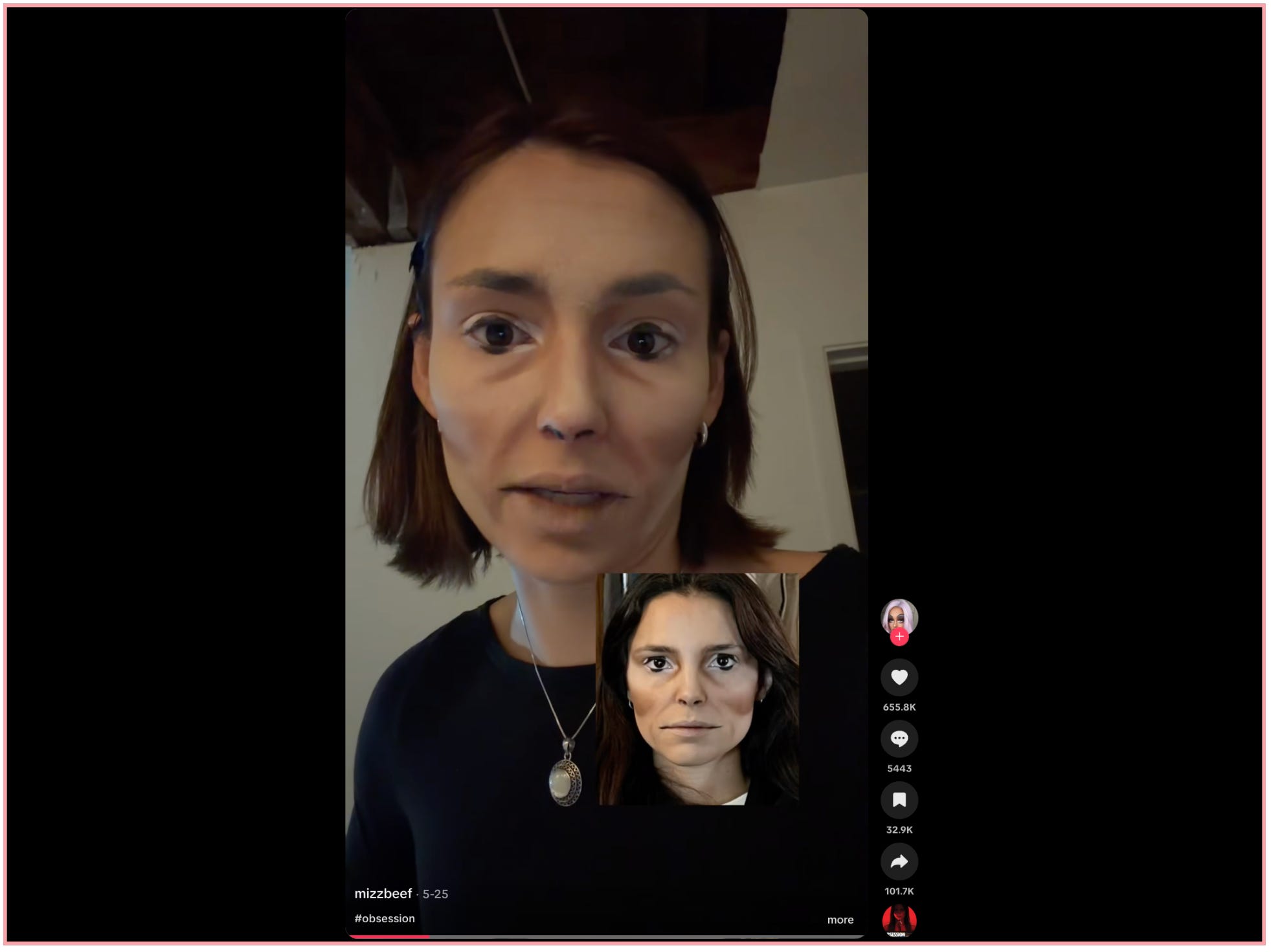
RK: Ticket sales increased 39% in weekend two. Everyone on social media is posting their theories about why. What do you attribute it to?
JC: It comes down to three things: Obsession is a genuinely great film, has incredible word-of-mouth, and there is a very real sense of FOMO around it. Once a movie becomes part of the cultural conversation, people want to see for themselves what everyone is talking about.
When audiences have a great experience, they don’t just tell their friends to go see it, they bring them back to the theater and watch them experience it for themselves, turning it into an unmissable event. Curry’s fans, Blumhouse’s fans, and horror fans certainly added fuel to that fire.
RK: What should marketers take away from the massive success of Obsession?
JC: The biggest takeaway is engaging fans with authentic, memorable, and sharable moments every step of the way that gives audiences something to own, helping the film cut through and become part of the culture. And lucky for us, audiences are Obsessed.
Check out the Link in Bio Job Board
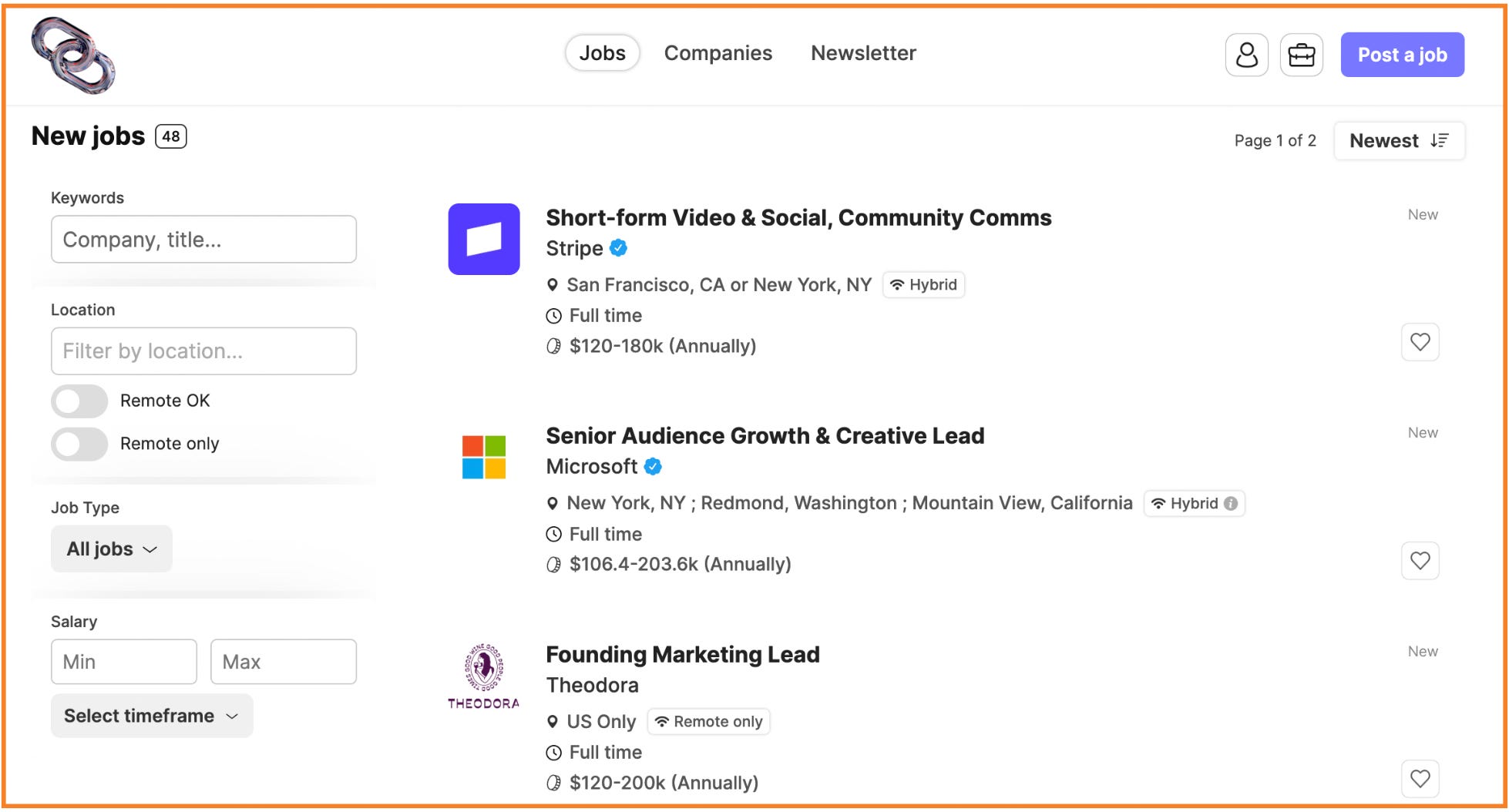
The Link in Bio Job Board features all of the best social media roles in one place, updated daily. Right now there are roles from places like Stripe, Apple, Graza, and more.
If you work for a brand that’s hiring within social media, this job board is for you too. Post your job listings to get in front of talented social media marketers. You can find it here.
Thanks so much for reading. If you enjoy free interviews like this one, you can upgrade to a paid Link in Bio subscription. You’ll get weekly strategy newsletters and quarterly trend reports, along with access to the Discord community.
If you’re already a paid subscriber, thank you for making this newsletter possible!
Excellent article. Its an excellent marketing campaign but I would argue the film was so good it did much heavy lifting
I wrote an essay this week about how billboards…their physicality and creativity are peak LA culture along with entertainment marketing. They’re fun to talk about and are probably the last piece of marketing that takes us away from our screens. I loved what they did with this Obsession OOH.