


Hello! I just updated the Link in Bio Running List of Post Ideas. There are now over 160 evergreen formats inside. It’s my favorite resource to look at before big brainstorms.
I recently sat down with writer kate lindsay for an episode on ICYMI, Slate's podcast about internet culture. In it, we talked about the growing number of brands that are hiding ads in fake skits. Storytime videos masquerading as regular TikToks—all secretly trying to sell you something. No #sponsored disclosure to be found. It made our heads spin.
For today’s newsletter, I asked Kate to go down the “UGC creator” rabbit hole. Is this some legal gray area? Does the FTC care? Does it even work? She watched videos about bad bosses, toxic mother-in-laws, and “Spicy Cubes” to find out.

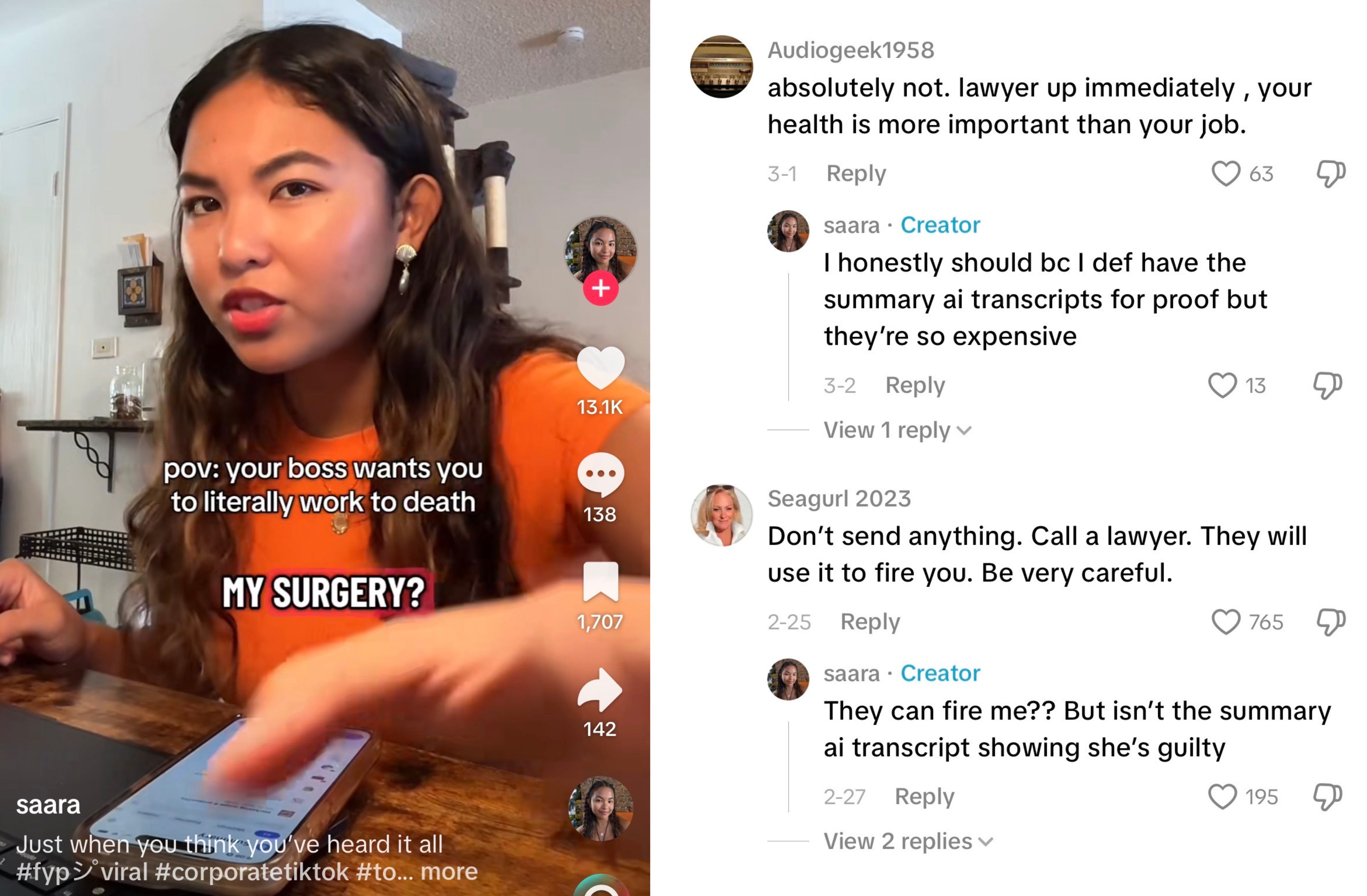
A lot of bad bosses get captured on TikTok. They’re caught red-handed, through covert footage of Zoom meetings in which they’re penalizing employees for leaving their camera off or logging on late. The videos themselves often reach millions of views, accumulating thousands of comments from concerned users. In one case, a manager even suggested their newly-pregnant employee quit. “Discrimination!!!!!!!!” reads one comment. “Sue them!”
“Omg I need to look into this!!!” the employee, who goes by @caroline.career, replied. But she won’t, because this video, and the many that look and sound just like it, are not real. They’re ads, scripted skits that have been contracted out to content creators who post them on dedicated accounts. If any of the millions of viewers clicked into the actual profiles, they’d see hundreds of videos almost identical to the one they just saw, and bios with nothing but maybe an affiliate code and link to whatever they’re really meant to be selling.
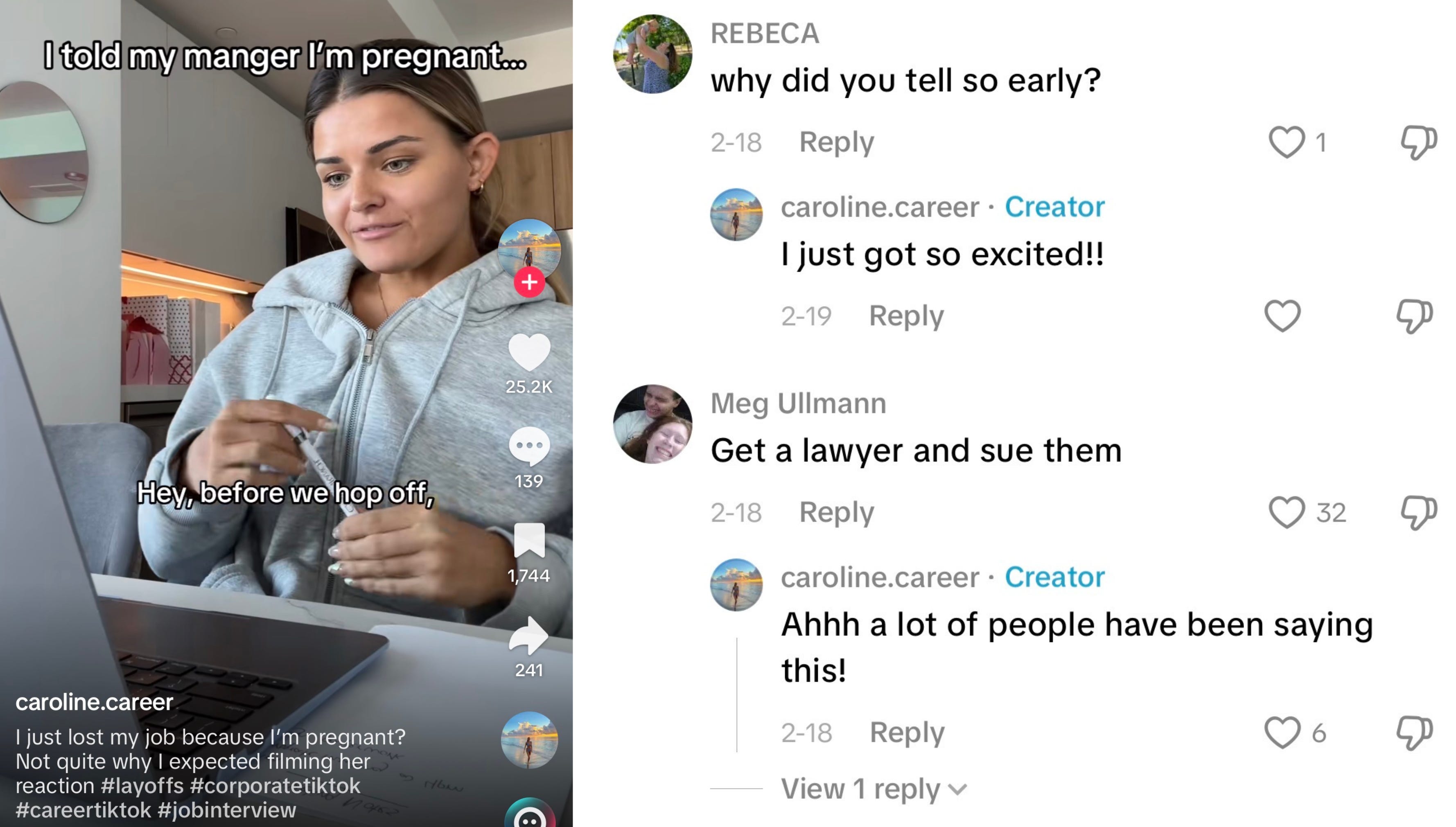
For Caroline, it’s Sprout, an AI program that generates resumes and cover letters, and auto-applies for roles. Customers who sign up through Caroline’s link get 15% off, and Caroline can get 30% commission. That’s in addition to the up to $2,000 she can make per video, according to the details provided on Sprout’s website (neither Caroline nor Sprout returned a request for interview).
There are a number of words for these types of creators, depending on who you ask. Sometimes they’re “affiliates” or “ambassadors,” but a creator I spoke to, who we’ve anonymized for privacy reasons, prefers “UGC creator.” She applied to become a creator for an AI interview coaching service because it was a way to make money without much experience, and now earns anywhere from $10 to $100 in base pay per video, with bonuses if her content hits certain milestones, like 500K views.
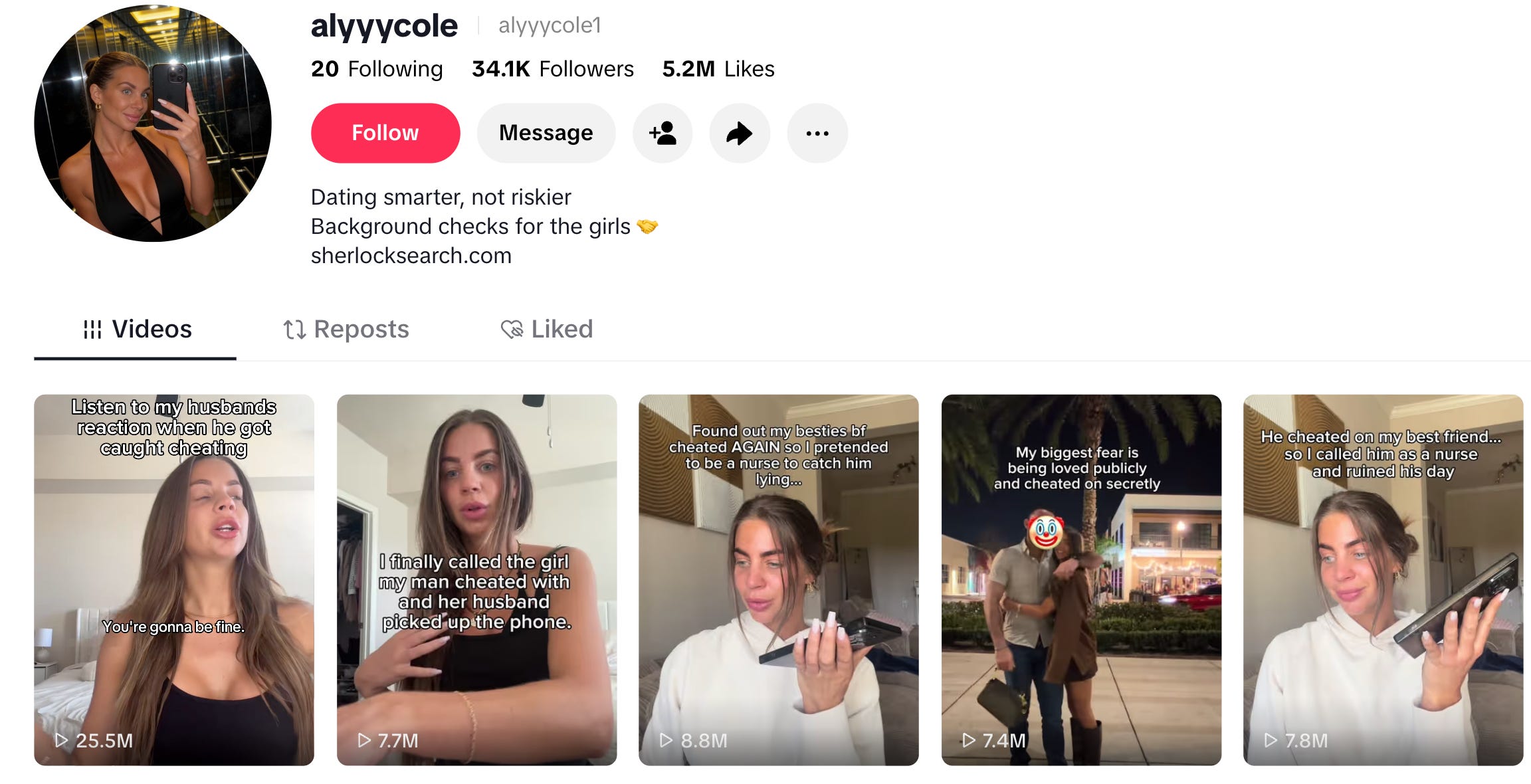
The content made by these creators isn’t just job-related, although that genre does incredibly well. There’s videos for AI notetaking services like SummaryAI and Granola, another account dedicated to WhoLeft, an app that tracks people who unfollow you on Instagram. One video for Sherlock, a platform for reverse-image searching potential romantic partners, got 25M views. There’s also videos for brands like Spicy Cubes—gummies that claim to act as aphrodisiacs—in which the product is a passing mention buried three quarters of the way into a two minute story about a toxic mother-in-law. “FOR EVERYONE ASKING ME ABOUT SPICY CUBES” the creator’s bio reads, with presumably an affiliate link to the website that may earn her a 25% commission.
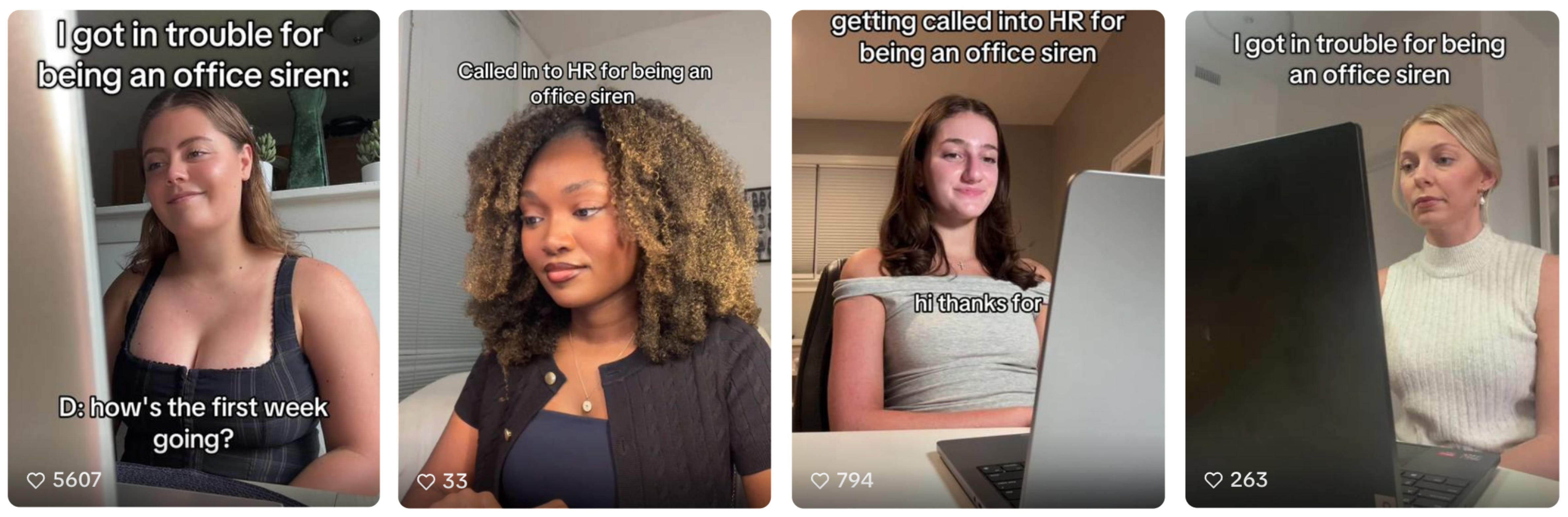
But “UGC” isn’t quite the right word for these either, since the content is not from actual users, or made by paid contractors and then posted from the brand’s account. Nor are any of the creators in the aforementioned videos your typical influencer posting sponsored videos on their personal channels. The former comes directly from the brand, the latter is clearly marked as sponsored. These in-between videos for some reason slip under the radar without any kind of #ad disclosure at all, perhaps occupying some kind of gray area.
“Not a gray area at all,” Robert Freund, a lawyer who advises brands, agencies, and creators, emphatically tells me. “There’s no argument that this is not advertising.”
The proliferation of these videos isn’t surprising. Per Vulture’s “The Feed Is Fake” piece back in May, so much of what we see online got there thanks to undisclosed marketing campaigns, and not just for products or musical artists, but even opinions. Brands need to find their own ways to compete, and some that employ these more covert methods seem to find far more success with them than they do posting from their own accounts.
Summary AI, for instance, has just over 15K followers on the official brand account, with their in-house videos typically getting views in the low thousands. The account @.wfhgirl, however, which posts endless workplace skits pointing people to the app, often gets tens, if not hundreds, of thousands of views on her videos, although it’s unclear how that might translate into sales (“My job isn’t really to see or get the memberships,” the earlier creator I spoke to tells me about her videos for the AI interview coach. “It’s more just creating the content and getting it out there.”).
These creators also have the ability to battle it out in the comments, something that would normally reflect badly if it was coming from the brand itself. The creator I spoke with says she’s sometimes encouraged to respond in the comments to maximize engagement. “They like it when you’re kind of rage baiting the people,” she says of certain companies. “So then people can go in the comments and argue.” The comments are also a space where the creators can more convincingly name the brand without sounding like an ad, while also potentially taking advantage of TikTok’s “blue text” feature that identifies search terms and links them to TikTok search results.
None of these companies returned my request for interview, and without concrete data it’s hard to say how directly these accounts’ success translates to their own. What is clear is that the absence of an ad disclosure gives them an edge with audiences, but that might be a problem with regulators. While the Federal Trade Commission would not comment on the practice broadly, when approached about this genre of marketing, they pointed me to a section from their endorsement guide, which contains a number of stipulations seemingly being flouted.
At the very least, these videos should be clearly and conspicuously disclosing the relevant connection—whether that’s spoken, text on the video, through a paid partnership tag, or starting the caption with #ad. While many of these accounts have affiliate links in their bios, they are not clearly labeled as such, and just as many accounts have no bio at all, presumably hoping their videos raise brand awareness enough for a customer to go searching for it themselves. But even if these videos did properly disclose themselves as ads, that doesn’t account for the other issue: they’re skits, not real experiences. “The FTC requires that endorsements and testimonials reflect the honest beliefs of the person giving the endorsement or testimonial,” Freund says. “You can still have an unlawful piece of content that discloses that there is a connection if the person is appearing to be a customer of the advertiser when they aren’t actually a customer.”
And yet most of these videos remain untouched, although some, like the 25M-views Sherlock video, have community footnotes identifying them as undisclosed ads. “The more agencies and brands see others doing it, they just assume it’s okay,” Freund says of their ubiquity. It’s not that they’re taking advantage of any kind of legal loophole, but instead are being obscured by the sheer volume of other content online and, at first glance, passing as organic—for now.
“Why have I seen like 4 people across the internet do this exact thing,” one comment on @caroline.career’s pregnancy video reads.
“guys yall know its a skit right,” reads another.
“People,” one begs. “This is just a promo for Sprout.” Now that comment might be UGC.
One more thing
Rachel here. I hope you enjoyed Kate’s deep dive. Is your head spinning now too? You can follow more of her work by subscribing to Embedded.
While I usually cover smart uses of social media, stories like the above are just as important to the work we do. Algorithmic feeds have, to some degree, provided cover for brands to treat FTC laws as suggestions. The result is that marketers feel like they can create their own ethical boundaries. That’s not how advertising should work.
Deceptive practices are a slow rot to the ecosystem we all post within. Consumers are scrolling with more skepticism than ever. What does that do to social media in the long term?
I’m curious to hear what you all think. Leave your thoughts in the comments or join us in the Link in Bio Discord.
Finally, there are new roles on the Link in Bio Job Board. Check out the latest from Function Health, Sonos, and Tombras here.
If you enjoy free essays like this one, you can upgrade to a paid Link in Bio subscription. You’ll get weekly strategy newsletters and quarterly trend reports, along with access to the Discord community.
If you’re already a paid subscriber, thank you for making this newsletter possible!
Another pattern I see is UGC creators won't mention the product in the video, but rather another UGC creator (often also creating content for the same brand) will comment asking about the brand. For example, a peer commented "What app did you use?" giving the author a chance to pin the comment and plug the product (https://www.instagram.com/reel/Da1Pt3NtNfG/).
Glad to see someone talking about this! Also wrote an article on this here: https://particularity.substack.com/p/yes-thats-also-an-ad