


Big news. I have learned that Instagram is testing the ability for Reels over three minutes to be recommended to non-followers.
In Tuesday’s trend report, I wrote that I had a sneaking suspicion longer videos were making their way into the recommendation algorithm. Call it a gut feeling. (Videos longer than three minutes were previously not eligible for recommendation features.) Well, I can now exclusively confirm that the platform is indeed testing showing longer videos to new audiences. Content still needs to earn attention, but the ability to reach non-followers won’t be dictated by length. I think that’s a good thing.
If you enjoy free interviews like this one, you can upgrade to a paid Link in Bio subscription. You’ll get weekly strategy newsletters and quarterly trend reports, along with access to the Discord community.
I want to note that this newsletter is an educational resource and can likely be expensed through your company. I have even written a handy template for you to use when asking!
After I send the quarterly trend reports, I tend to get a strategy hangover. This era of social media is defined by extremes. The rise of AI influencers is happening at the same time as cinematic social. Slop and craft. Short and long. Fast and slow. It can be exhausting to keep up with.
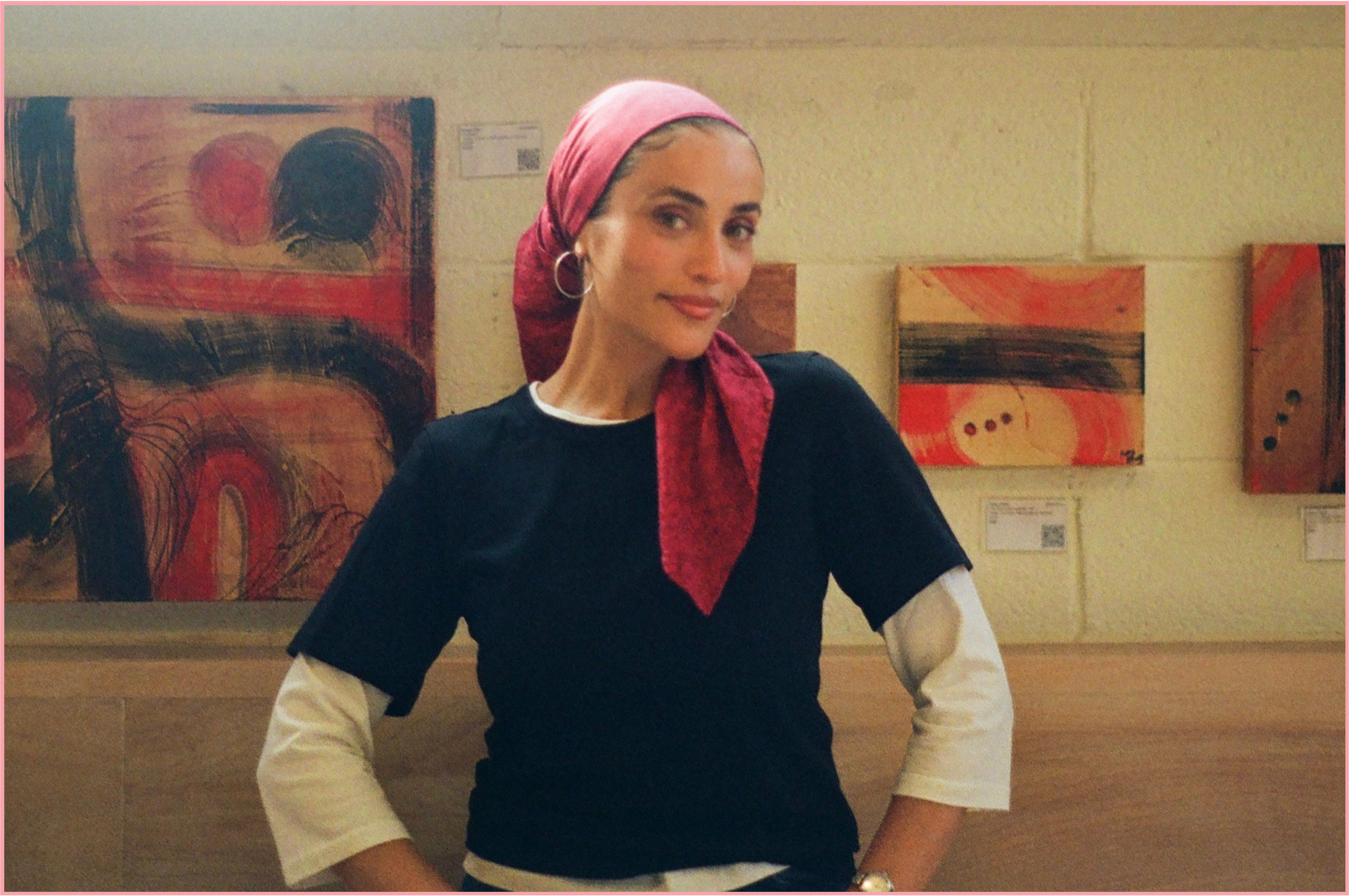
Thankfully, today’s interview snapped me out of that funk. That’s because Dana Mosa-Basha, Director of Marketing at Shinola, communicates the foundations of marketing with such clarity. It’s easy to feel trapped by trends, but Dana knows the best way to build a brand isn’t to, as she puts it, “borrow whatever personality the internet happens to have that week.” The strongest brands play the long game. “Not everything valuable has to pay you back tomorrow.”
Dana has spent time building strategies for places like Soho House, TikTok, and Calvin Klein. She also went to Columbia’s School of International and Public Administration and worked in politics and policy before pivoting into brand building and creative marketing. I hope you enjoy our conversation.
Rachel Karten: If you had to write a logline for your marketing philosophy, what would it be?
Dana Mosa-Basha: Make people feel something and trust that not everything valuable has to pay you back tomorrow.
Rachel Karten: I love that.
Dana: I think we’ve gotten incredibly good at measuring and data collection and, somewhere along the way, started really confusing what’s measurable with what’s meaningful.
Some of the most powerful things a brand can do are incredibly difficult to directly attribute. Someone sees something you made, goes to an event, hears about you from a friend, stays tuned for six months, sees you again somewhere completely different, and eventually decides, I like what this brand is about. That accumulation and relationship-building matters more than any click. I never want the pursuit of immediate return to make the brand less interesting.
Rachel: You’ve spoken about this idea of playing the long game in marketing. Tell me more about that.
Dana: In the current state of marketing, brands are too trained to have incredibly short attention spans.
We launch something, look at the first 24 / 48 / 72 hours of performance, decide whether it “worked,” and make a massive judgement call about it. But that’s not really how people develop relationships or care about things in the real world. That thinking should be applied to brand-building.
Playing the long game means asking: What memories are we leaving people with, and what relationship are we building in someone’s mind over the next three years, not just what are we getting them to click on today?
That can mean investing in a creative idea that becomes recognizable over time. It can mean hosting a conversation that has absolutely nothing to do with selling someone a product. It can mean supporting a community, developing a specific point of view, or simply being consistent. You want people to remember your brand for a special reason. The market is too saturated to not focus on developing that long-term relationship.
Rachel: And how does Shinola specifically play the long game?
Dana: Shinola is a brand that has always believed in doing things the hard way, and that philosophy extends well beyond our product.
Building a watch factory in Detroit and training a community of people in a craft that doesn’t have a deeply established history in this country isn’t the easiest way to build a watch business. But there’s an intentionality behind that decision. How something is made, who makes it, and what it contributes along the way are just as important as the final product. We don’t take shortcuts here, and our marketing mirrors that same conviction.
We’re thoughtful about everyone we work with, the partners/collaborators, and the stories we tell. Many of our models are business owners, artists, craftspeople, or local Detroiters with stories of their own.
There’s a temptation in marketing to find the most scalable way to do everything. But the most efficient decision can often be damaging, and the things that build lasting value take time. We build a brand and business that we want people to believe in, not just notice.
Rachel: You previously worked at TikTok, an app that I would argue has sped up social media. How do you play the long game while also participating on these platforms?
Dana: I actually think those two things can coexist really beautifully.
TikTok, and my time there, taught me how incredibly perceptive audiences are and how valuable it can be to tell your story by buying into a specific cultural phenomenon or moment. People understand internet language, references, and cultural codes almost instantaneously now. You don’t go to another country and speak your own language, you speak their language, move on their terms, which gets you trust and sell-in from local communities. And I think brands need to have that same perspective when existing on those platforms—you use it to talk to people in their “codes” and language, while still maintaining your values and purpose.
The importance of that though is, understand the speed of culture without letting it dictate the speed of your brand.
Rachel: Wow. Yes, “understand the speed of culture without letting it dictate the speed of your brand” is so right.
Dana: I think about social and TikTok as a place where the brand can be incredibly alive—responsive, funny, conversational, imperfect. But underneath that, there still needs to be a very clear sense of self. Otherwise you’re just borrowing whatever personality the internet happens to have that week. The long game gives you the confidence to participate in culture without chasing it.
Rachel: Talk to me about this recent campaign with NEMS, Tefi, and Kareem. I love the casting so much.
Dana: Yay, I’m glad you love it! Truly a dream cast, and honestly my favorite part of the campaign.
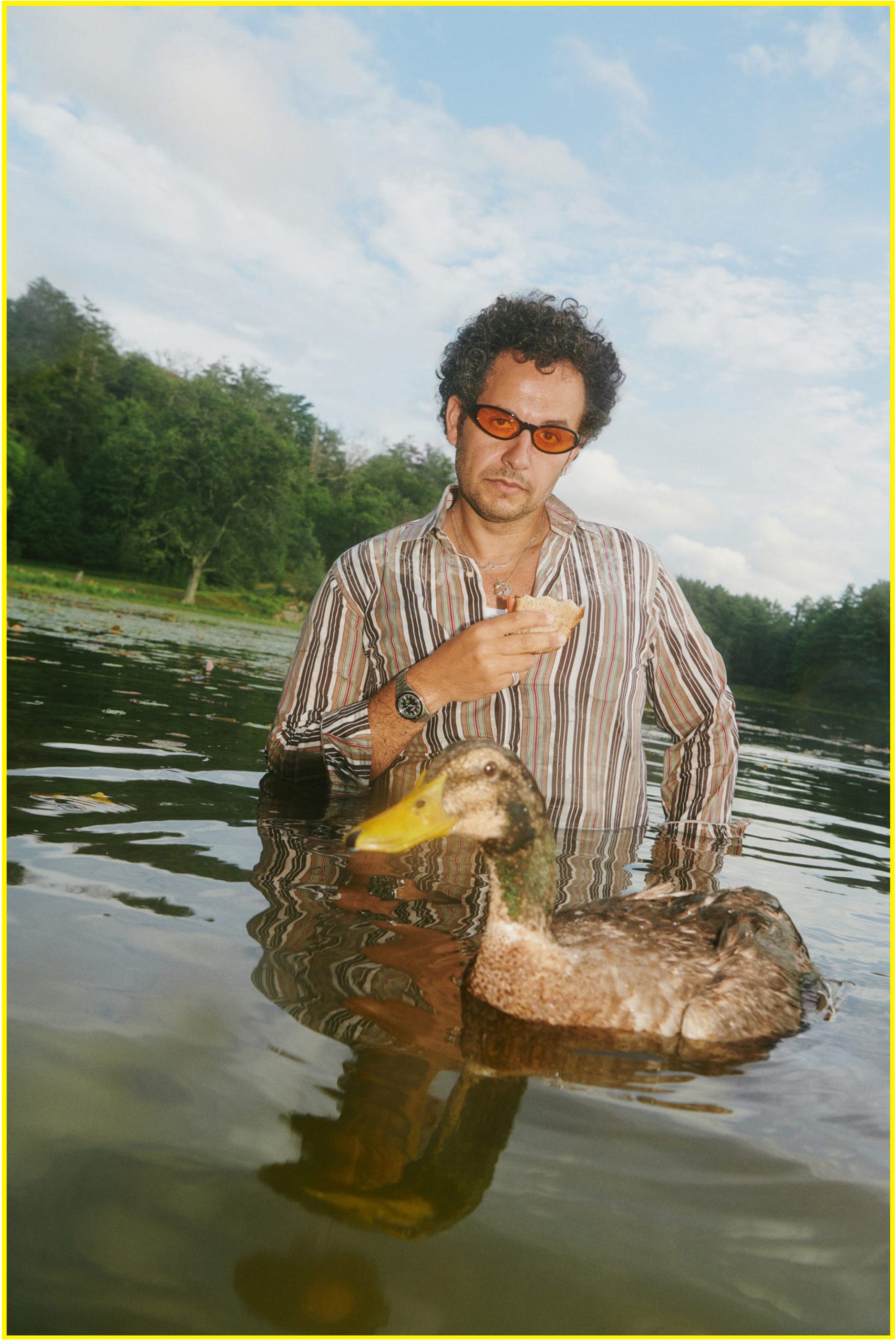
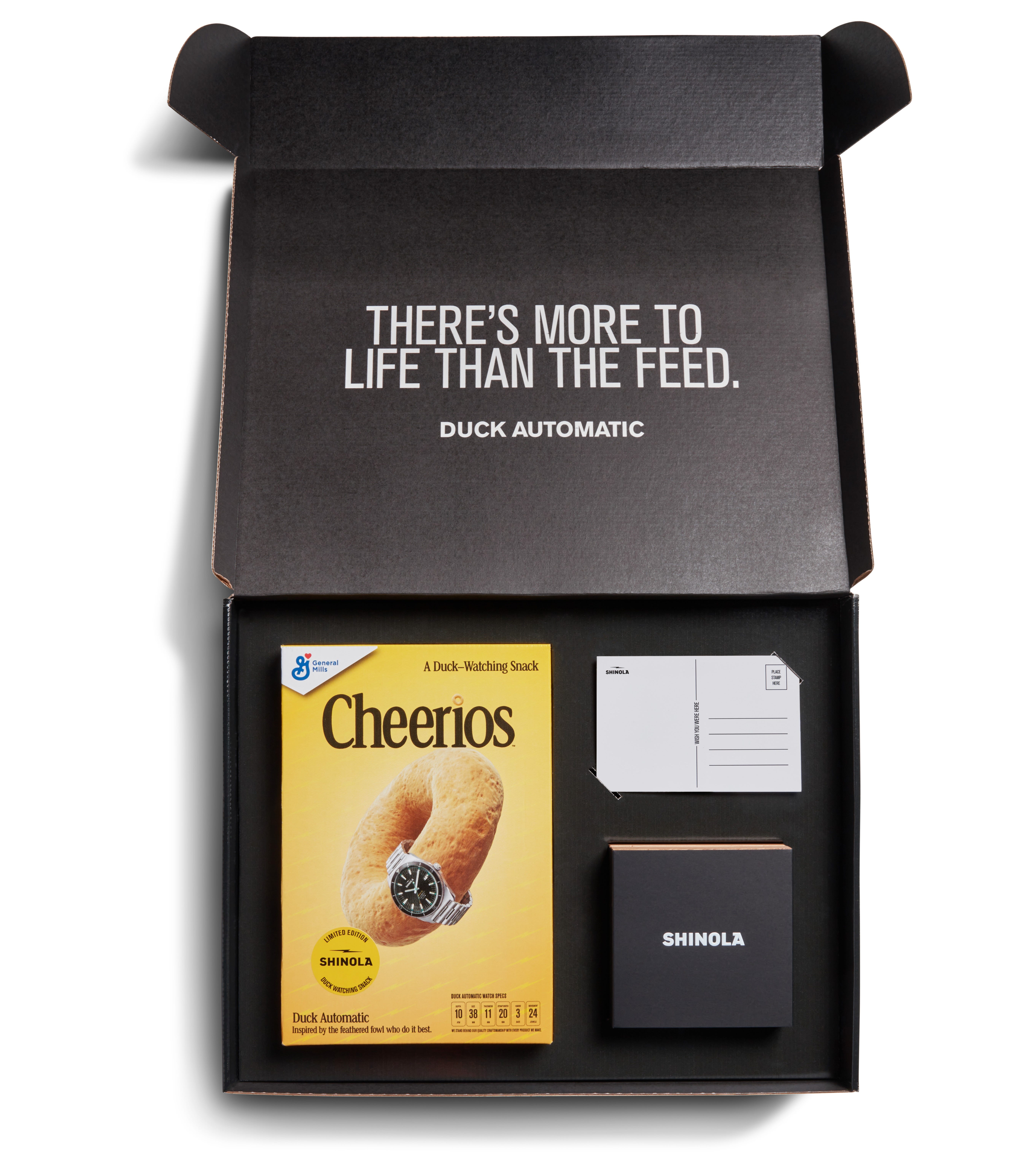
With the Duck Automatic (and most of our product launches), we knew we didn’t want to make a traditional watch campaign. Watches are so often marketed through this familiar language of achievement, status, precision, legacy, sexiness, etc. And there’s obviously a place for that. But the Duck has so much personality that taking it too seriously would have felt wrong. That said, the mechanics are very serious. We’re actually the first American watch brand to receive this particular Japanese movement!
Rachel: How did you come up with the concept?
Dana: The underlying idea of the campaign is about moving on your own time. So when we approached casting, we wanted people who already embodied that philosophy rather than people we had to manufacture it around.
Tefi, Kareem, and NEMS come from completely different corners, but they share this quality of being unapologetically, unmistakably themselves. They’ve built audiences by following their own instincts rather than fitting neatly into an existing archetype, and I think that kind of individuality is increasingly rare.
I love the tension of selling an object that keeps time through a campaign about refusing to let time dictate how you move. That’s where the casting got really fun for us.
Rachel: What’s something that keeps you up at night about the state of marketing right now?
Dana: SAMENESS and SPEED!
Rachel: Completely agree.
Dana: We have more tools, data, platforms, references and access to inspiration than marketers have ever had, and somehow so much marketing looks and sounds exactly the same.
I worry that optimization is slowly sanding off the edges that make marketing memorable. There’s an enormous amount of pressure to follow what has already proven to work: content formats, the same creators, the same visual language, the same vocabulary, the same cultural moments. And now AI can make that cycle happen even faster.
I think the real competitive advantage over the next few years is going to be those left with true taste, curiosity, and conviction. Being able to look at all the information available to you and still say, I know the data says this, but I think there’s something interesting over there and I’m going to trust my intuition.

Rachel: What advice would you give a social media manager hoping to become a director of marketing one day?
Dana: Get offline, get curious, and cultivate interests in your personal life that genuinely fascinate you and build your “non-marketing/social” intelligence.
Internally, the biggest shift from managing a channel to leading marketing is realizing that marketing is an ecosystem, and it’s really important to zoom out. Learn how the business makes money. Understand merchandising. Ask why something is priced the way it is. Learn the media landscape. Build relationships. Read the PR strategy. Spend time in stores. Study the industry. Ask to see the P&L.
And then I’d go even broader than marketing. Read about architecture. Politics. Fashion. Economics. Music. Technology. Cities. History. Talk to people who have absolutely nothing to do with your industry. I majored in history and got my masters in international policy. Your ability to market doesn’t come down to what you learned as part of your degree, but rather the breadth of perspectives and interests you bring to the table.
I genuinely think one of the most valuable things you can develop as a marketer is a brain full of seemingly unrelated things. Because eventually, your job becomes connecting dots that other people don’t see!
What I’m scrolling
Finally, an Apple and Sam Youkilis collab post. We’ve been waiting!
The San Francisco Standard had their Comedy Correspondent interview the California governor candidates. Almost every clip overperformed, with one person commenting “Idk who she is, but give her the aux for a bit.”
Chanel got 1.6M likes on this post of Kristen Wiig, Pedro Pascal, Dua Lipa, and Nicole Kidman lip syncing Adéla. This is what happens when you work with the former TikTok strategist for Loewe, Lucas Yiu. I interviewed him here!
I love this On split-screen BTS from their recent spot with Zendaya. The stacked screen format is particularly satisfying.
Are 60-Second microdramas the future of Hollywood, or the end? The New York Times went long on microdramas.
Cole Bennett’s post about having his grandpa model his new Birkenstock collection performed better than the announcement itself. Open up campaign loops! Stories within stories! More on-ramps!
Franky Ponce, former social lead at NYC Ferry, is now the Creative Director at NYC DOT. Huge! You can read my 2023 interview with him here.
Check out the Link in Bio Job Board
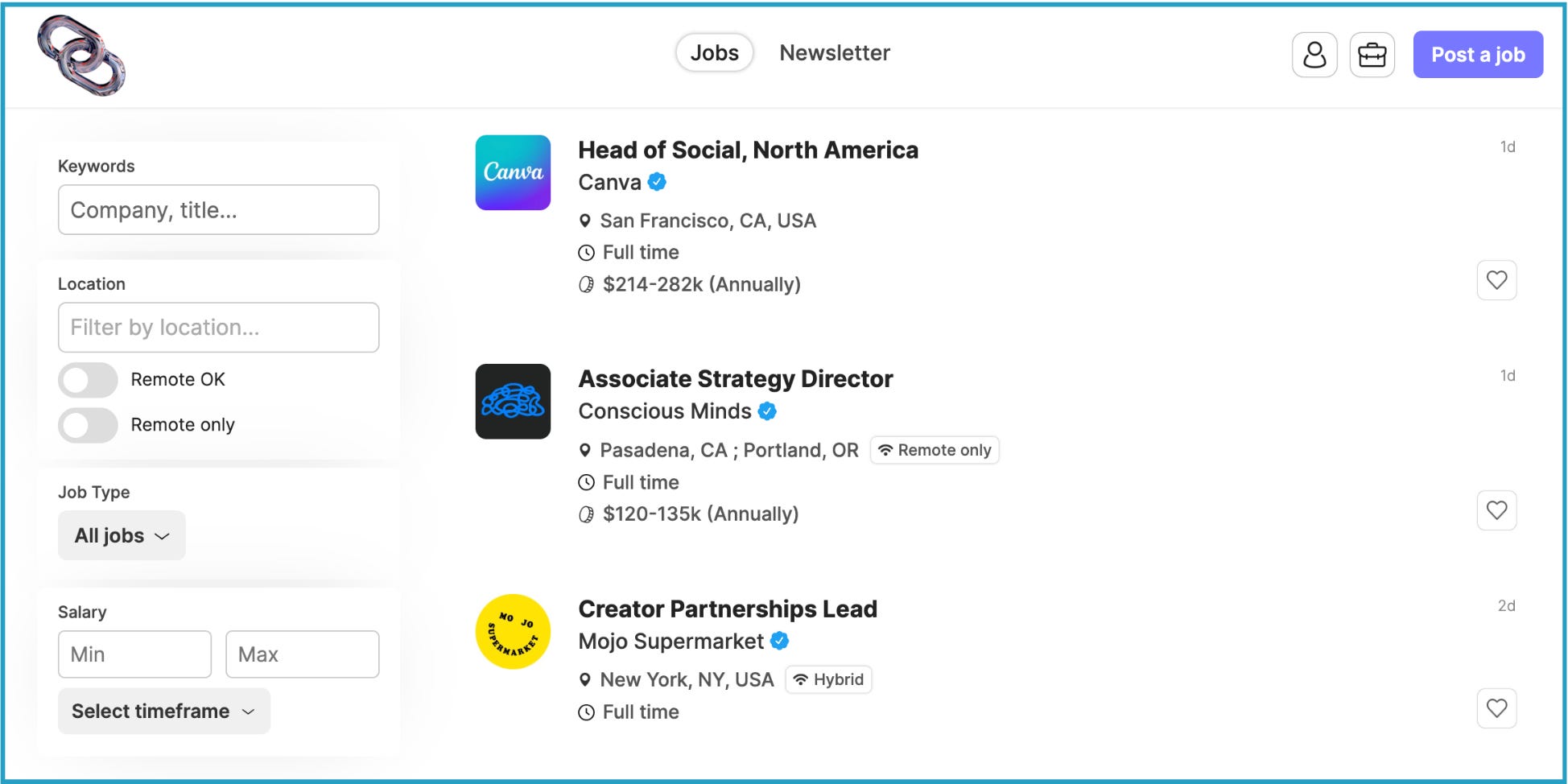
The Link in Bio Job Board features all of the best social media roles in one place, updated daily. Right now there are roles from places like Adidas, Canva, Meta, and more.
If you work for a brand that’s hiring within social media, this job board is for you too. Post your job listings to get in front of talented social media marketers.
Dana is the best of the very best ❤️